Learn methods your teachers or any doctors in the world are not aware ...
Systematic method frame work
β π― The 5-Step Systematic Brainstorming Framework - A repeatable method to organize thinking outside every OSCE station
30 seconds Brain storming plan
β π Pattern Recognition for Instant Diagnosis - How to spot diagnostic clues and red flags that others miss in under 30 seconds
Secret time saving method in the OSCE
β β‘ Time-Saving Mental Shortcuts - Proven strategies to cut scenario analysis time in half while maintaining accuracy
Bullet proof strategy not to miss ...
β The "Never Miss" Diagnostic Checklist Method - A foolproof system to ensure comprehensive differential diagnosis thinking
THE OSCE NIGHTMARE EVERY MEDICAL STUDENT FACES:
OLD WAY (What's NOT Working):
β’ Standing outside stations feeling overwhelmed and panicked
β’ Mind going completely blank when reading complex scenarios
β’ Missing obvious diagnoses that were right in front of you
β’ Walking into stations unprepared and disorganized
β’ Running out of time before completing essential tasks
β’ Failing stations despite knowing the material
β’ Feeling like you're winging it every single time
NEW WAY (Using Brain storming formula ):
β’ Calm, systematic approach to every scenario
β’ Instant recognition of diagnostic patterns and red flags
β’ Never miss a diagnosis with bulletproof thinking framework
β’ Walk into every station with complete confidence and clear plan
β’ Finish stations early with time to spare
β’ Consistent high performance across all OSCE types
β’ Feel like you have an unfair advantage over other students
β Panicking when reading complex scenarios
β Missing crucial diagnoses hidden in plain sight
β Wasting precious minutes with unorganized thinking
β Running out of time before entering the station
β Failing to prioritize what's most important
β Walking in without a clear action plan
β Overlooking key clinical clues that lead to correct diagnoses
The OSCE Brainstorming Method:
Scan for critical keywords and diagnostic clues
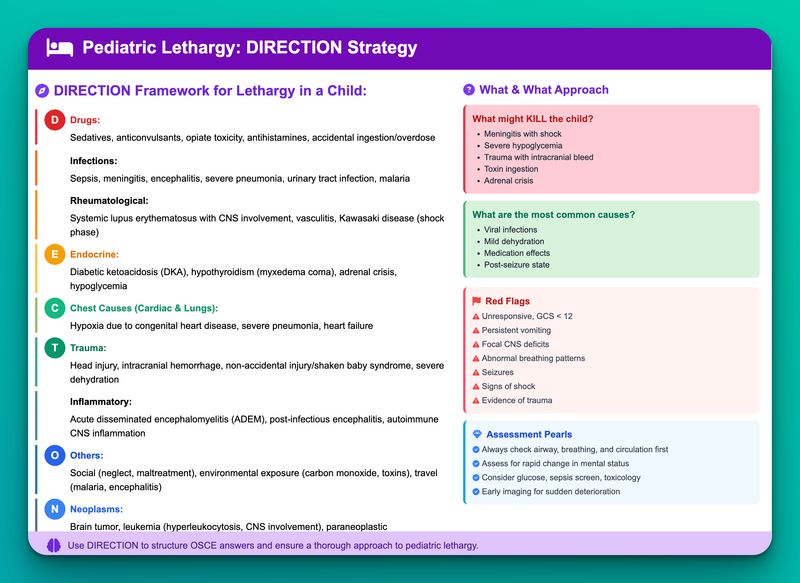
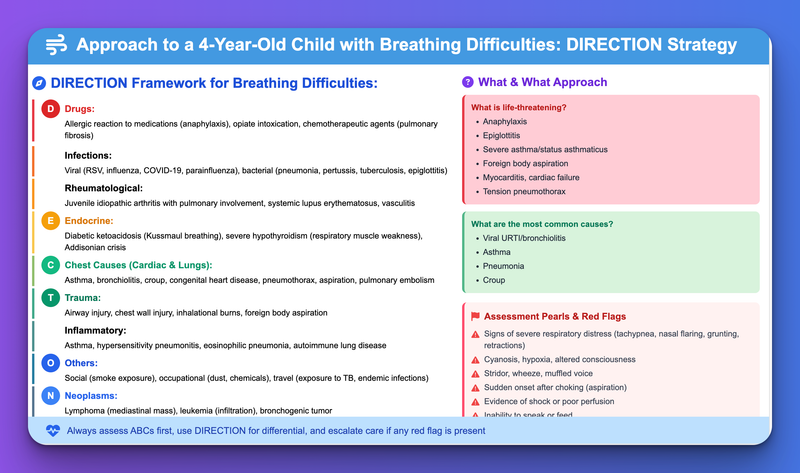
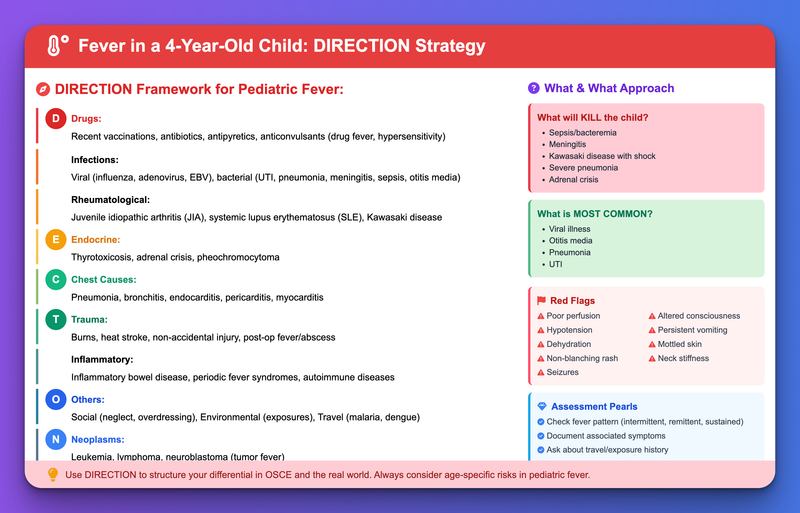
Think through differentials systematically (never miss a diagnosis!)-what and what appraoch and DIRECTION strategy , other approaches based on the scenario .
Anticipate what they want to test
Rank your priorities for maximum time efficiency
Time-box your station approa
This course teaches you the exact brainstorming framework that turns confusion into confidence, ensures you never miss a diagnosis, and saves you valuable time in under 2 minutes outside every OSCE station
How to think when you have a scenario : A 4 year old child presented to the Emergency Department with a rash . You are an intern take history from this patient mom .
π FREE Bonuses (Worth $47):
β Complete OSCE case study . (Worth $15)
Learn from mistakes of other medical student and avoid them
Get the critical error report on mistakes done by this student .
Learn the key issues while reading a scenario .
β OSCE Quick Reference Study Guide (Worth $12)
High-yield facts for common stations
"Red Flag" symptoms that point to key diagnoses
Time-saving examination techniques
Communication phrase bank
β Clinical Reasoning Mind Maps (Worth $10)
Visual diagnostic trees - never miss connected conditions
Differential diagnosis flowcharts
Time-efficient system-based approach diagrams
β OSCE Exam Day Resources (Worth $10)
"Last 2 Minutes" diagnostic review checklist
Time management strategies for each station type
Confidence-boosting techniques
Quick diagnostic decision-making guides

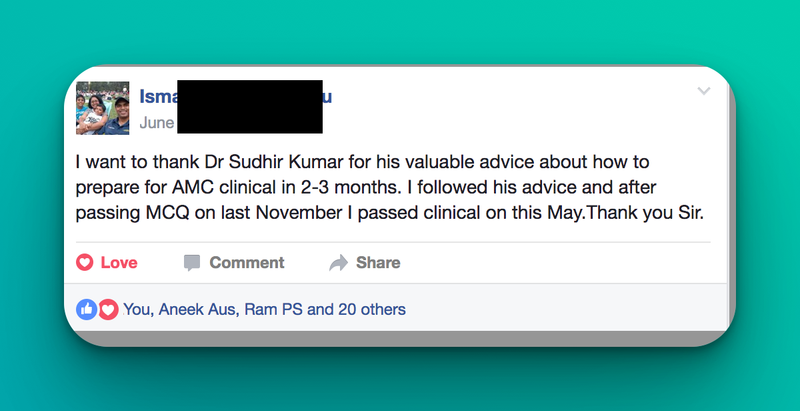
How he prepared for clinical in 2-3 months .
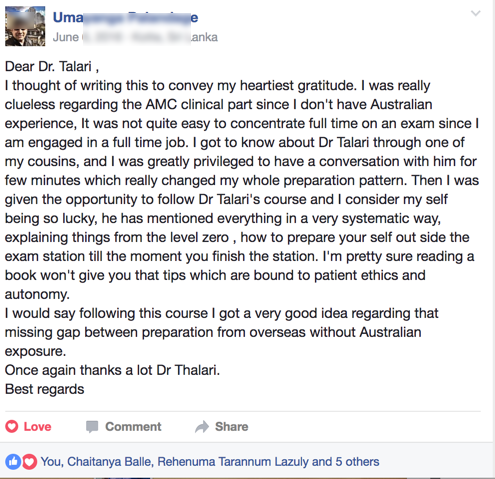

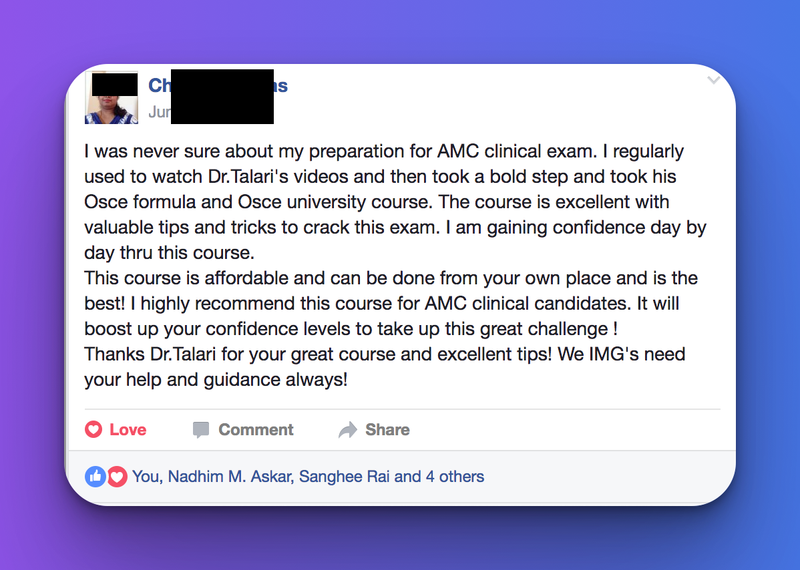
Gave me confidence every day
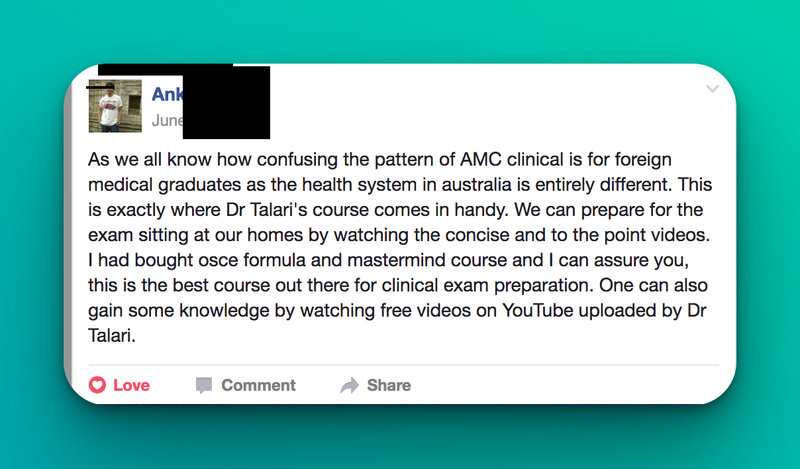
Prepare from home watching concise videos
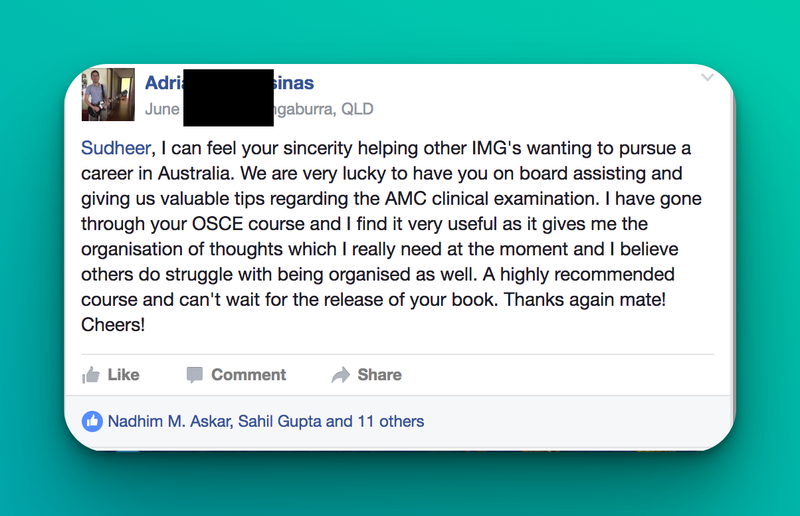
Gave me organisation of thoughts .
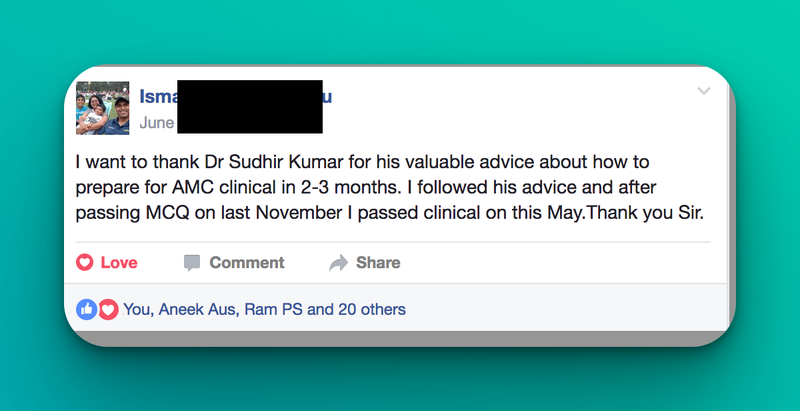
Prepare for clinical in 2-3 months .
When to use this strategy in teh OSCE exam . What kind of scenarios do we need to use this strategy?
One clue or many clues? - Instantly categorize scenarios as focused (single symptom) or complex (multiple symptoms) to choose your approach.
This is a strategy that is used when you find clues in the room . You can guess it based on the scenario and the clues in the room .
What can I safely ignore? - Rapidly identify essential vs. non-essential information to focus your mental energy.
When nothing seems clear... - Systematic approach for unclear presentations that could point to multiple conditions.
Who, What, When, Where, Why, How? - Classic journalism approach adapted for medical scenario analysis. When do you use this scenario ?
Think like the examiner thinks - Logical step-by-step breakdown matching clinical decision-making processes.
Divide and conquer - Break complex scenarios into smaller, manageable diagnostic pieces. How do use CT scan images and MRI images to come to a diagnosis ? Where do you use these methods ?
What am I missing physically? - Anatomical approach ensuring no body system is overlooked.
What would my best professor do? - Proven diagnostic strategy framework used by top clinicians.

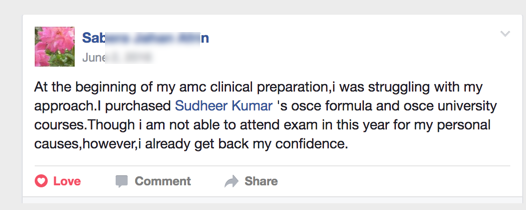
Was struggling with approach and the course helped me.
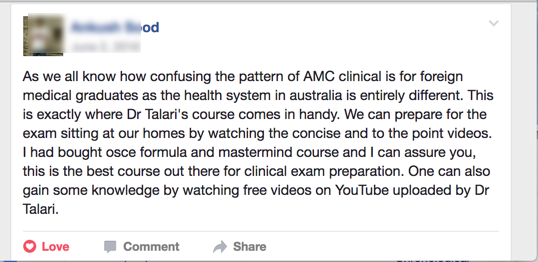
Best course for clinical exam preparation.
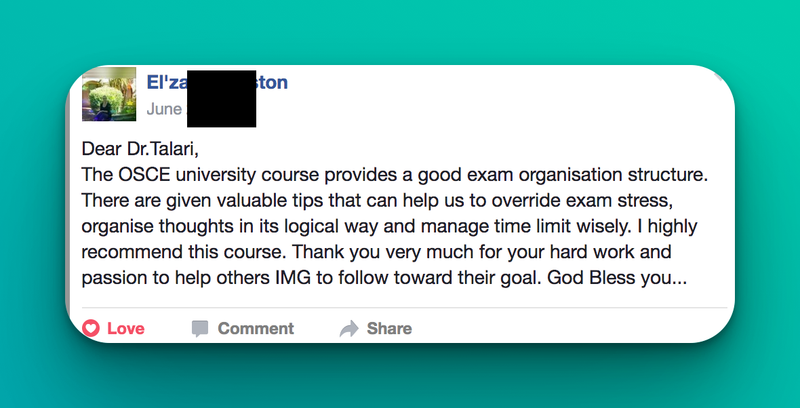
Good organisation structure .Override exam stress and organise thoughts in a logical manner .
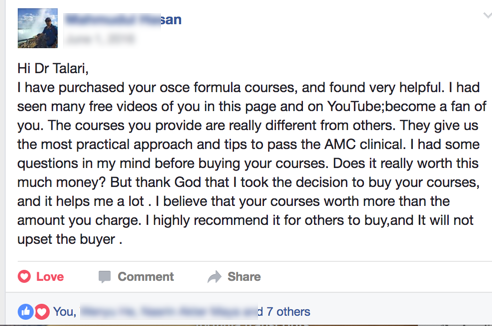
courses helped me a lot .
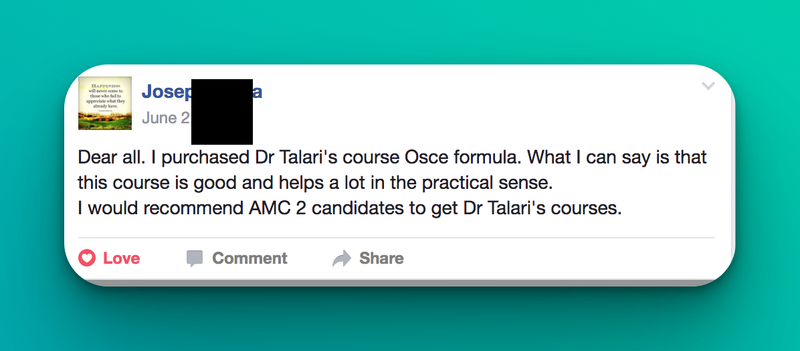
Course makes practical sense
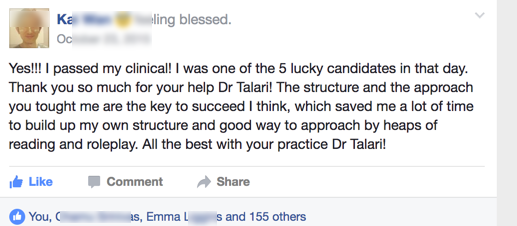
I was the 5 lucky candidates who passed the exam.
What's your return policy?
If I dont help you then I dont need your money. Happy to refund all the money if you dont like it for any reason .
How quickly will I see improvements in my diagnostic accuracy?
Immediately! Students report catching diagnoses they would have missed within their first practice session after watching the videos..
How much time will this actually save me?
Most students save 2-4 minutes per station by using our organized thinking framework - that's often the difference between completing the station and running out of time.
How do I contact customer support?
Reach out via our contact form or email us.
Will this work for all types of OSCE stations?
Yes! The diagnostic thinking framework applies to clinical scenarios, emergency situations, and any station requiring differential diagnosis
Can I download everything? Yes You can .
The views and opinions expressed on this website are not those of Facebook or Google.